
Quadrant 3 Walk Around Teaching - Where the Student Takes Over
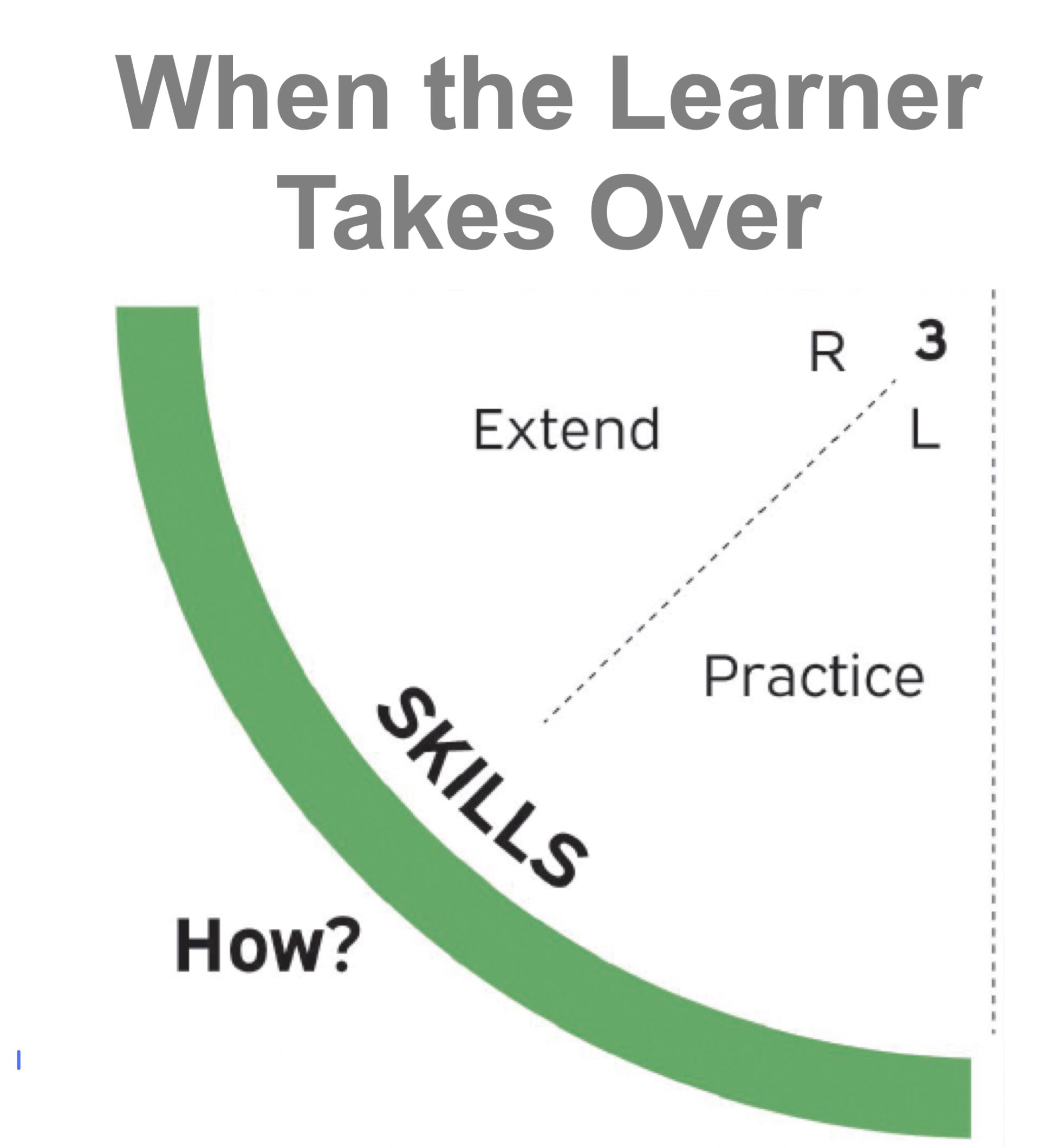
Quadrant Three is where the great breakthrough happens in 4MAT when the learner starts to take over the learning. The Teacher/Facilitator has been doing all the talking in Quadrant 2, Navigator; now the practicing of skills moves into the students’ hands, and the role of the teacher changes dramatically. Create options for your learners to practice and master the skills needed to use what they are learning.
Options are offered to the students based on their engagement, learning preferences, and interests. Type One Learners perhaps will move to skill mastery in groups for more help. Might the Twos ask for more reading material, or a mini lecture, preferring to see possibilities for personal use before they move to hands-on? Threes usually prefer to work alone, hands-on, and start on any assigned tasks right away. The Fours are open to what might be the most interesting learning results for them.
The Facilitator now engages in what I call walk-around teaching. And the classroom becomes a laboratory, not an auditorium. Check Carol Tomlinson’s useful Differentiation strategies. Your knowledge of your learners and their practice needs will help you create the best options for them. Preferences to work with partners, groups, or alone, or ongoing interest and/or curiosity regarding the content itself. (A most rewarding outcome when that occurs.)
"Give the pupils something to do, not something to learn; and when the doing is of such a nature as to demand thinking; learning naturally results."
John Dewey
Democracy and Education (1916)
Quadrant Three Strategies
- Create practice options related to the four learning preferences.
- Provide flash cards; have students create them and use them on each other.
- Offer opportunities to teach what you just taught to a young person.
- Make case studies available for role-playing.
- Have deliberate practice items available on weak sub-skills.
- Have students create low-stakes quizzes with instant feedback.
- Have station rotation for the different parts of the content.
- Create or have students create graphic organizers.
- Think-Pair-Share. Think individually, share ideas, and discuss.